Wednesday, 11 October 2017

Critical Investigation: Project proposal

Working title: 

  • To what extent, does 'Moonlight' subvert hyper-masculine representation of Black men in film?


Angle:

  • Does 'Moonlight use subversion initially to promote Black masculinity or still use the same stereotypical hyper image of Black men's masculinity seen in mainstream film.
  • What impact has the release of 'Moonlight' had on views of Black men 
  • Has 'Moonlight' aided the cause of raising awareness on these issues (Black hyper-masculinity, Black male sexuality etc.) in a positive manner?
  • Does 'Moonlight' use a conforming representation of a Black men which are realistic to give a positive look on Black male masculinity 
  • 'Moonlight' uses multiple Black male characters to show a positive and realistic representation of Black men

Hypothesis

  • Hyper-masculine Black men is a stereotypical image trait of Black men in film
  • Does films such as 'Moonlight' have the ability to show a positive subversion from the norm
  • Or does it add onto the many 'subversive' Black male traits which are an exaggeration of a certain type of Black identity


Linked production piece


  • Arthouse drama- representing Black identity: Recreating specific stills from the movie, in an attempt, at a homage or response to 'Moonlight'. A short drama piece which would converse  the same concept of Black (male) identity from the film. 

MIGRAIN


  • Moonlight is an Arthouse Indie Black 'Coming of Age' movie following the life of Chiron in three chapter of his life where the audience witness the change in his personality, life and his exploration of his sexuality. 'Moonlight' still holds generic traits of a 'Coming of age' movie which contain characters from a young age and going through their life till a certain point where there would of been a change in the protagonist and to others around them. This would be the basic of a 'Coming of age' and as it focuses on Black men it uses actors to reflect that. 
  • This would be generic of Arthouse/Indie where they would communicate emotions through camerawork or scenery other than through the actors facial expressions.
  • The movie originated from a play called 'In the Moonlight: Black boys are blue' which was then transformed to suit the big screen.
  • Moonlight centres Black maleness/masculinity, but more specifically Black male sexuality as well as Black male intimacy and youth. It is worth saying that all the characters are Black, but not in a way that it becomes a myopic or singular exclusionary narrative, rather it brings you into a world that is real and that does exist. 
  • Moonlight is a coming of age story of three parts that follows a young man called Chiron, as a child, a teenager in High School, and an adult, and his attempts to navigate his reality and environment, which includes his drug addicted mother.
  • The protagonist, Chiron-- played at various points of his life by Alex Hibbert, Ashton Sanders, and Trevante Rhodes
  • The target audience in terms of psychographics would be the mainstreamers, the explorers and the reformers. In terms of demographics it would appeal to an A
    BC1 audience, mainly consisting of the young adult group and older. 
  • The main major values of Moonlight would be to speak of deconstructing black masculinity and homosexuality but also the growth of young black boys and how environments can change them psychologically. 
  • Jenkins found financing for the film in 2013, finding success after sharing the script with the executives of Plan B Entertainment at the year's Telluride Film Festival
  • Plab B Ent. is know to produce films such as 12 Years a Slave which hold the same story of telling Black struggle and issues. A24 which is known for it's more less mainstream Indie movies which may have influenced the production of 'Moonlight' 
  • Moonlight was able to do well in box office with a $65 million with a budget of  4 million. 

SHEP

ECONOMICAL:


  • The ability to earn the same amount as their white conuterparts is far less for Black males and women
  • The school system itself has proved that though a Black child is extremly smart, that their background at or "ethnic" name will be looked into- far less Black people are accepted into universities than others


HISTORICAL:


  • The Civil rights Movement again is a massively historical event that has helped put black people on a platform that sees them as equal and makes sure they do not suffer the same amount of abuse they did very recently.
  • The African-American slave trade also was a big thing regarding black people, it showed how the rest of the world saw them and it also showed how they suffered much abuse in the past.
  • LGBTQ, which stands for lesbian, gay, bisexual, transgender, queer (or questioning), has become the common shorthand to inclusively reference this diverse set of sexuality and gender-based identities and communities.
  • Historically, many societies have been intolerant of homosexual, bisexual, and transgender individuals. Media has played a role in both perpetuating and resisting this state of affairs. 


SOCIAL:


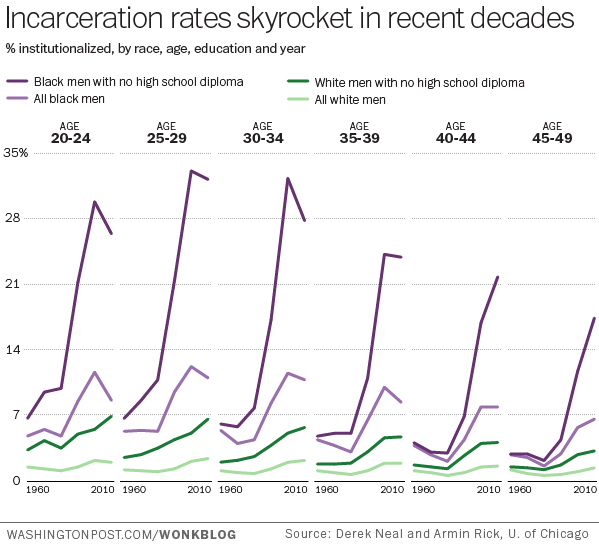
  • ENVIROMENT: Black struggle and the lower status contributing to the slim rates of employment- which would be why many take to crime and drugs as a gateway
incarceration1

  • High number of Black people incarcerated
  • Difference in the gap between Black men in prison and their white counterparts


  • Broken families/ Loss of parental guidance high in Black homes 
  • 2010 London riots - The London riots could have affected how people see black people in society, many people blamed black people for the started of the riots which still affects people now as many people still stereotype them as thief's and blame them for the riots.
  • The Civil rights Movement - The African-American civil rights movement (1955-1968) affected black people majorly, it was a new coming for them as they were finally seen as equal to other people such as white people as equal and it cause major riots and violence in America but it finally gave them an identity in America


POLITICAL: 

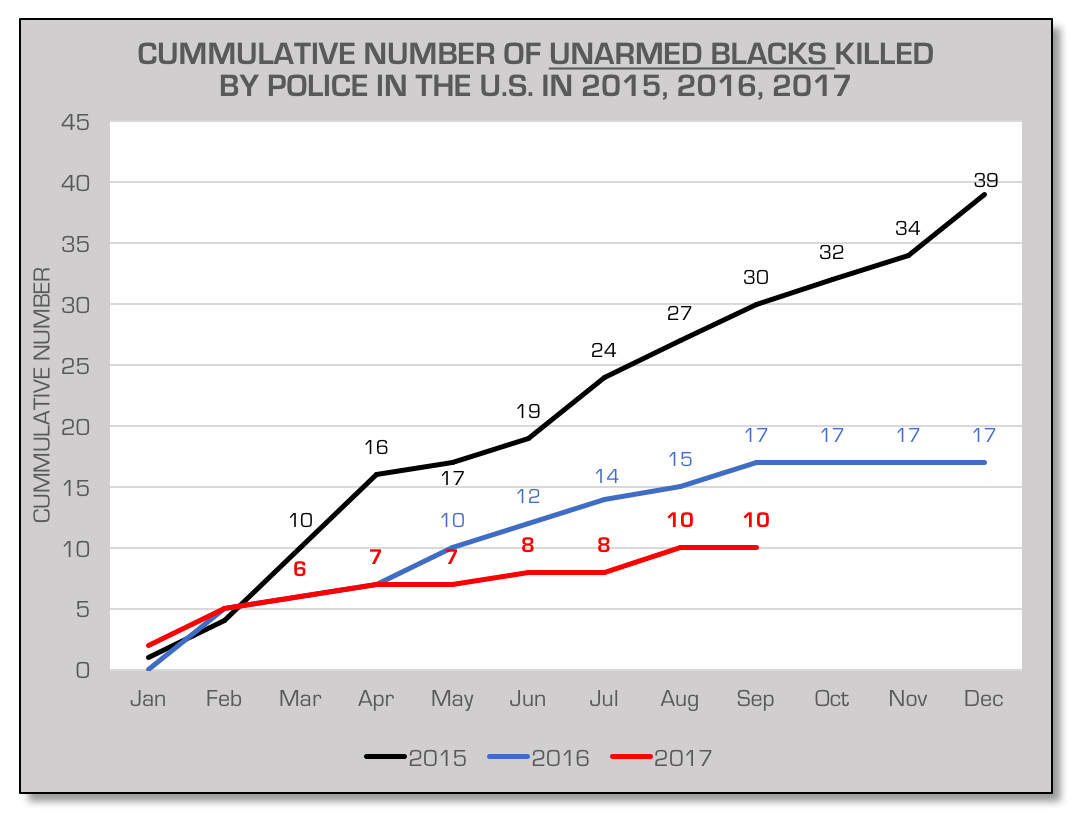
'Black Lives Matter'. This is a campaign that has been generated over the past year because of the increasing numbers of injustice killings by police (mainly in America) on African Americans. It was created to create awareness and because black people of America were frustrated with the killings inflicted on their people. Hip hop has also attempted to make itself recognised through the artists recording songs stressing their's and other people's pain. Artists like Kendrick Lamar and J. Cole are the rap artists who try to be influential and display the perspective of inferior ideologies which has given black people a voice.

Influences of this song however shows the consequence of inequality. This means that black people feel as if they aren't being treated fairly so are more likely to break the law and these artists are doing this according to the lyrics through their use and selling of drugs. Trap artists in general rap about different pleasures and illegal activity which people usually listen to so they can vibe to the song.


Issues/Debates


  • Representation of Black men/boys in films or news
  • Concept of Masculinity and Manhood in Black communities
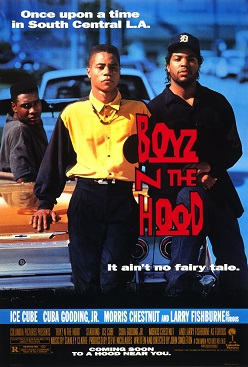
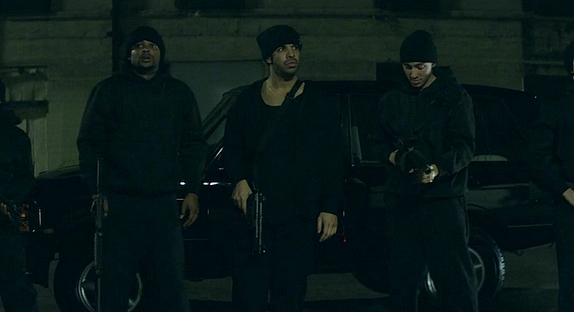
  • Overly brash, violent and dangerous image of Black men and boys in films (Boyz n the Hood, Kidulthood, Bad Boyz)
  • Hip-hop culture scene- Promotion of drugs, gang violence (realistic?)
  • The effect of globalisation on the media, which creates this stigma. 
  • The representation of black people
  • The representation of Black youth 

Theories

Postmodernism and its critiques - Postmodernism theory is literally meaning 'after the modern', it explores the culture of consumption where the globalized media corporations provide a universal package of information and entertainment. They may also involve a bricolage of elements which are often ambiguous and ideological postions that challenge the relationship between the text and the audience. 


Blaxploitation: The exploitation of black people, especially with regard to stereotyped roles in films/media. (Could Lemonade just be an aesthetic for black struggle as many claim?)
Gender and ethnicity: Expectations of Black men and their identies are already pre-formed through media and their own internalised upbringing. 

Gender and ethnicity- Through the gender theory we see cultural aspects of behaviour associated with masculinity and femininity acquired through socialistion in accordance with the expectations of society and the representations of gender increasingly challenge traditional concepts of masculinity. This links well with my question as a concept I will be talking majorly about will be masculinity.  


Marxism and hegemony - The classes in society are split up which highlights that white people in society are superior to those who are of ethnic minority. Those who live lower class/working class environments determine their futures thus take on roles and identities of those in that environment

Colonialism and Post-colonialism-  Colonialism was a big thing in Africa and Idris Elba's background involves his parents being from Ghana and Sierra Leone and places where black males were made slaves and taken to countries such as America and England, and this started a major representation about black males and involves masculinity too, so this could be a thing I could talk about in my Critical investigation. 

Semiotics: The cinematography, mise-en-scene and so on of 'Moonlight' to deconstruct  the stereotypes of Black masculinity. 

Audience theories- Audience theories consist of many theories through it such as the Hypodermic needle and effects theory, but it can be divided into active models where the audience is seen as reacting to texts in a challenging and engaged way where the audience is seen as being influenced directly by the media content, this can feed into my question as I can talk about the effect 'Moonlight' has on the audience and the audience can interact with it.

Genre theories- Genre theory is an explanation of the role played by genre in differentiating media texts and aligning an audience. Where genre theorists consider the relationship between the audience and the media texts, it can be used by producers to target specific audience groups with predictable expectations of audience numbers and responses. Theorists such as Richard Dyer argue that genres are pleasurable because they offer escapist fantasies into fictional worlds which remove the boredom and pressures of reality and sees these worlds as Utopian.   

Moral Panics - The concept devised by Jock Young explains the way in which media can focus on the behaviour of a social group or event which can be inflated by sensational reporting and the repeated use of stereotypes, leading to public overreaction or panic at a supposed threat to society. This links to the issues concerning black males and masculinity, this is also a debate that has been hot for the past few years due to riots in London. So it links to my question perfectly as the issues and debates surrounding black males and masculinity is something that has been morally panicked. 
------------------------------------------------------------------------
------------------------------------------------------------------------

Media texts:

'MOONLIGHT'(2016)

Other media texts:

  • 'BOYZ N THE HOOD'(1991)
  • 'BAD BOYZ'(1995)
  • 'Paris is Burning'(1990)
  • 'KIDULTHOOD'(2006)
  • 'MENACE II SOCIETY'(1993)
  • CONTEMPORARY HIP HOP ARTISTS- 21 SAVAGE, 50 CENT, ICE CUBE, Tupac Shukur, Biggie, Sean Combs
  • 'LEAVE IT ON THE FLOOR'(2011)
  • 'TRUE BLOOD'(2008-2014) - CHARACTER LAFAYETTE 

TV documentaries

'I Am A Man: Black Masculinity in America'(2006)- documentary linking everyday black men from various socioeconomic backgrounds with some of Black America's most progressive academics, social critics and authors to provide an engaging, candid dialogue on black masculine identity in American culture.
Featuring interviews with bell hooks, Michael Eric Dyson, John Henrick Clarke, Dr. Alvin Poussaint, MC Hammer etc.:


'The New Black'(2015) a documentary that tells the story of how the African-American community grapples with the gay rights issue in light of the recent gay marriage movement and the fight over civil rights:


'Black is...Black Ain't'(1994)-  feature-length documentary by Marlon Riggs exploring the multiplicity of expressions of African American identity:


'Tongues Untied'(1989)- semi-documentary by Marlon Riggs, seeking what the

author states as "...shatter the nation's brutalizing silenc on matters of sexual and racial difference":

-----------------------------------------------------

'Black Masculinity In Film & Television'(2011)- video analysis of the portrayal of Black men in film and 

how that constructs toxic masculine ideals for Black audiences:


'Black Men in the LGBTQ community portrayal lack of masculinity in film'(2015)- video analysis of the

exaggerate portrayal of LGBT+ identity of Black men in film:

-----------------------------------------------------

'Hip-Hop: Beyond Beats & Rhymes'(2006)- Director Byron Hurt in a 56 minute documentory takes on the daring task of deconstructing sexism, violence, masculinity in the hip-hop scene. 


-----------------------------------------------------
'Do I Sound Gay'(2016)-  A documentary film that focuses on the pop culture imagery of 'Sounding Gay' and the perception of Gays in media. Also, the internalised problems faced for those identifying as Homosexuals


'A Sinner In Mecca'(2015)- The film by Parmez Sharma looks into the socio-environmental problems faced towards men in the Islamic culture, particularly, those who identify as Gay and the hope of a change withing these group. 
Themes: Islamaphobia, Islam, Homosexuality, 


Academic texts/books


  • Stuart Hall: 'Representation: Cultural Representations and Signifying Practices' (1997)
  • Bell Hooks: 'Black Looks: Race and Representation' (1992)
  • Bell Hooks: 'We Real Cool: Black Men and Masculinity' (2003)
  • Vito Russo: The Celluloid Closet: Homosexuality in the Movies' (1987)
  • Richard Dyer:  'Gays and Film' (1977)
  • Richard Dyer:  'Now you see it: studies on Lesbian and Gay films' (1990)
  • Louise Spence and Robert Stam: 'Colonialism, Racism and Representation' (1983)
  • Alvarado- 'Representation of Ethnicity' (1987)
  • Alvarado- 'Racial Stereotypes Theory' (1987)
  • Kobena Mercer- 'Welcome to the Jungle: New Positions in Black Cultural Studies'(1994)
  • Jacques Lacan- 'The mirror stage' (1950)
  • Keith Harris- 'Boys, Boyz, Bois: An Ethics of Black Masculinity in Film and Popular Media'(2006)
  • Ronald L. Jackson- 'Scripting the Black Masculine Body: Identity, Discourse, and Racial Politics'(2006)
  • Elwood Jackson- 'Pimps, Wimps, Studs, Thugs and Gentlemen: Essays on Media Images of Masculinity'(2009)
  • Darius Prier- 'The Media War on Black Male Youth in Urban Education'(2016)
  • Mark Moss- 'The Media and the Models of Masculinity'(2011)
  • Riche Richardson- 'Black Masculinity and the U. S. South: From Uncle Tom to Gangsta' (2006)
  • Alec Baldwin- 'Giovannis Room' 


Internet Links


Academic papers/University papers
-------------------------------------------------------------------------------------

Newspapers/Articles

Friday, 6 October 2017

Tutorial- update


  • Identify examples of hyper-masculinity:

Image result for lafayette true blood
Image result for leave it on the floor
  • Movies such as 'Leave it on the Floor', 'Paris is Burning' and the character Lafayette in 'True Blood'- all of these characteristics are an over exaggeration of Gay men, they are overly flamboyant, have accentuated high pitched voices and etc. which may not be a true representation of all Black males. They do, however, represent a part of what it means to be Black and Gay and show he struggles and misconception of them that others hold. 
  • Black men in History have the perception of strong, big and violent. These traits maybe because of the representation of Black men during times of the Slave trade (sexualisation, bestial imagery, literal beasts, property) and Post-Segregation (Overly-sexual, thiefs, violent 'other')
  • In films have taken on this stereotype by having Black men have these traits in nearly everyday representation if it is not over flamboyant. 


Related image
Related image
  • 'KidULTHOOD'(2006) is an indie film which centres around the narrative of youth and their aggressive, violent and dangerous behaviours and the consequences of those youth living inner city and in  low income households which i an effect of their environment leading them to their violent lifestyles.. This movie also showcases representations of young groups of minorities in a negative light, most often, the Black characters are represented as aggravated, part of gangs and the ones to be apart of the violence in the schools and deaths of the show. Also, the male characters are generally represented as ostracised and because of this have violent tendencies even to force others into fights who are weaker than them. This excursion of power for a male is classic trope in male characters when it comes to dominance. 
  • 'Attack the Block' is a fantasy/science fiction film focusing on the life of a so called "gang", a group of friends, going out and being swept up in a fight against aliens who have taken over their estate. The movie does have the stereotypical image of young youth in Britain especially as the boys consist of Black boys with one being racially ambiguous. For starers, the movie begins with the boys 'mugging' or stealing off a woman, solely on that she would not being from their area, but they would later on that she is from their estate and seek help from her. The characterisations of the boys is a strong demeanour with a negative look on those not from their area and a hate for those of who are more wealthy. The use of negative (hyper)masculinity is seen a lot in the behaviour of the boy, as when faced with the encounter of the extra terrestrial being they sought to fight it with their bats and even when their friend is violently attacked they sought to use violence against them. The main character Moses is faced with partaking in illegal drug activities
  • These images can be seen as negative but also positive as these men do exist and do poses these traits as those of the film, but since it is wholly this 'negative' image then it truly becomes a disservice and blatant dismissal of All black males. 
  • The first, from Kidulthood, shows a young Black male pointing a knife in the face of another Black youth in an attempt to show his power over him.
  • The second, from Attack the Block',  is of 


Image result for baby boy movie
Image result for boyz n the hood movie
  • Is about a male character named Jody who is a 20-years old male who lives with his mother and is unemployed living in the dangerous south central LA. So he is forced to mature as he has a baby with his girlfriend of five years and another daughter with another woman who he cheated on with his girlfriend’s now. He is told constantly to get a job and live with his girlfriend and their son but avoids it. Then his girlfriend’s ex boyfriends is released from prison and forces his way into her life and her house as he abuse her and tries to rape her. But he realises she still loves Jody so he tries to kill him in a true gang la style in a drive by but he is unsuccessful. The movie is classic and is an urban comedy drama.
  • Boyz N the Hood (1991) is a look at the lives of three young boys coming of age in South Central Los Angeles during the 1980s and 1990s. The film addresses the social, economic and cultural issues that challenge the youths and cultivate a culture of violence, poverty and abuse. "Boyz N The Hood" suggests that fathers need to take more responsibility for raising their children and expresses that violence and machismo will only contribute to the destruction of families and the devastation of neighborhoods and communities. The film shows us a lifestyle in which black men are regularly killing one another -- one out of every twenty-one die by homicide according to the opening titles, most at the hands of another black man. This pulls more fathers out of their children’s lives, including ones like Ricky, who likely would have grown up to be a constant and powerful presence in his child’s life, the way Furious is for Tre. Instead, he is murdered in an alley simply because someone didn’t like the way he talked.
  • This links to my investigation as father figures a recurring theme of ‘Moonlight’ .The conspicuous lack of fathers in the film makes Furious' character all the more worth examining. Much like the ever present figure of Juan to Little in the beginning of the film and the added effect from his words to the protagonist. The absences of fathers from the two movies showcases the effects on the protagonists.

  • Post Colonialism:
  • Is the study of the effect of colonialism on societies and cultures
Related imagePocahontas was made in 1995, this movie is about how two cultures collide. The set of this movie is "The New World" when men were sent on a ship to find gold and fame but found something else. The main characters are Pocahontas the Native American and John Smith this blonde hair blue eyed hero.When you watch the movie you can see there is a huge culture difference, the Native Americans communicate more with nature and spirits while the English men don't care about the values of the land unless there is gold.


Image result for queen of katweOueen of Katwe was made in 2016, the two existing cultures would be that of Kenyan culture and the lasting effects of colonialism from the main characters inability to be taught chess. Also, the representations of how there is no real source of education or knowledge of things outside their cultures i.e chess, which is what the movie what conversing to the audience. 


  • Crisis of masculinity:
  • Two percent were lesbian, gay, or bisexual. As a comparison, 3.5 percent of America identifies as lesbian, gay, or bisexual, according to a recent survey. Plus, things would be a lot worse without just two movies, Pride and Love Is Strange, which accounted for more than half of the LGBT characters shown in film in 2014 and 2015.
  • Seven characters—not seven percent, but seven individuals—were transgender. Four of those characters appeared in one show.
Among the LGBT characters of 2014 and 2015:
  • Seventy-two percent were male. Seventy-nine percent were white.
  • The majority were shown to be in committed relationships, but fewer than one in five were shown as parents or caregivers.

  • Representation theorists:
  • Bell Hooks- Interconnectivity of race, class and gender.
Pen name of Gloria Jean Watkins. First major work “Ain’t I a woman? Lack, women and feminity” written in 1981. Focused on the perpetuation of systems of oppression and domination in the media paying particular attention to the devaluation of black womanhood. The idea of ‘lack’ or ‘otherness’ refers to the way that women and ethnic minorities are usually represented as ‘other’. Their primary purpose is simply to be other than the norm (usually a white male hero). They are therefore known more by the context of lack than by a realised or complex identity. This theory can be linked to ideas of the monstrous feminine found in feminist analysis of literature and art.
  • Alvarado- 'Racial Stereotypes Theory' (1987)
The Exotic: Certain ethnic groups can be represented as being exotic. This is sometimes portrayed through Latino Americans as they are seen as being sex symbols and are represented as being rather explicit. This idea is presented through the usage of their transparent clothing, which is deemed as inappropriate to the rest of society, and controversial behaviour

    The Dangerous: Some ethnic groups can be portrayed as dangerous through the analysis of certain people's behaviour. For example, characters in soaps such as Eastenders with a different ethnic background to others is related to violent and aggressive behaviour e.g. abuse. By this representation through the media it creates an awareness so the audience relates this behaviour to the rest of the ethnic group.  This is a very prevalent theme through Rap music which makes it a very widely 'accepted' stereotype that black males are a very violent ethnic group.


    Humorous: Other ethnic groups are represented as being humorous through the use of animation and cartoon characters such as Simpsons. This is a stereotypical view of people who are apart of an ethnic group that has been portrayed through the media for example in films.  
    In the 1970’s race was a major vehicle for comedy. Programs removed the threat of different races by making them the butt of the jokes. Some movies with a black American man is tend to be seen to make particular jokes against his race or ethnicity.  By doing this it creates a humorous affect for the audience and makes a comedic atmosphere.


    The Pitied:  Adverts and documentaries raise awareness for African people and young children who are in need of water and food in order to survive. By doing this not only is it presenting real problems in the world but also creating an atmosphere of pity within the audience which in turn persuades members to pay and portray beneficial methods so they can help these young children in need. An atmosphere of sadness is also made by audience/viewers identifying the lack of basic necessities some children have compared to themselves. 


    The representation of ethnic groups may be seen as deprived victims or groups that experience natural disasters or sometimes even conflicts.


      Thursday, 5 October 2017

      Tutorial- 5/10/17

      Working title: 

      To what extent, does 'Moonlight' subvert hyper-masculine representation of Black men in film?

      ESSAY PROMPTS: 

      1) Identify examples of hyper-masculinity: 
      • Boyz n the Hood
      • Kidulthood
      • Contemporary: gang films etc. Hip-hop culture

      2) Why?: 
      • Crisis of masculinity
      • Post-colonialism
      • Look into race/ethnicity debate: awareness of identity, ongoing racism BLM

      3)Representation theorists:
      • All representation- as a construction (Dyer, Perkins)
      • Representation vs. Realism
      • Alvarado, Bell Hooks, Stuart Hall etc.

      4) Linked Production:
      • Arthouse drama- representing Black identity:

      Recreating specific stills from the movie, in an attempt, at a homage or response to 'Moonlight'. A short drama piece which would converse  the same concept of Black (male) identity from the film. Using the similar colour schemes which the movie was acclaimed for to create the rich colouring of dark skin in the movie. 


      Monday, 2 October 2017

      Ignite presentations: Learner response


      1) Type up your feedback in full including the ratings out of five for each category. 


      POINTS:

      Significance: 5
      Structure: 4
      Simplicity: 4
      Research: 4
                                 =17

      WWW
      • Hyper/ toxic masculinity- defines terms
      • Use of gifs
      • Good opening/explanation
      •  Good slide 
      • Limited text
      • Well selected images/ screen grabs
      • Good knowledge of film
      • Good examples from text----> media language 
      • Colour scheme- consistency of the colour theme of blues, purples etc synonymous to the movie 'Moonlight'. 
      • Camerawork- how the use of camerawork was used to immerse the audience
      • Sound 
      • Good vocabulary- media terminology. general 
      • Good Blog research 

      EBI: 
      • Speak louder + look of audience
      • Introduce film- significance ?
      • Slow down a bit!
      • Better final slide- summary 
      • Reference to title/ masculinity - I will be working more on my conclusion as I should be able to answer or prove my question in my essy. 
      • Include theory - Alvarado, Fanon- I have already gotten other analytic essays which concentrate on Homosexuality in films and Black masculinity in media which I will be able to focus on in my critical investigation.
      • Lensflaretheory.com- establishing shots- a video to use to further my knowledge on 'Moonlight' 


      Self-assessment- My presentation will lead into my critical investigation by applying several theories to create a link between my text and issue, I will also make sure that I make detailed notes on the media forms of the video itself so I can have detailed analysis. As for my feedback, I will take on how the issue appears on mainstream TV and what effect it has, and will look at how the multiple representations of Black men through film and TV.  I will most likely include more things on narrative and genre which will link to the institution aspect of the investigation and be put as a central outline of my essay ('Moonlight' a Arthouse film, aspects and references from other 'Wong Kai-war films)


      researched well, as I was able to find multiple videos and articles for the representations of Black masculinity and finding essays about Black masculinity in media and will be able to reference them in my critical investigation.  
      When presenting I was able to remember the script I created, so, it wasn't difficult when actually articulating the presentation. I had the right references from wider contextual analysis and having the MIGRAIN focused slides, I think was a strong point of my presentation and having media terminology and a large vocabulary can be used and thus reflected in my work.  

      However, I should of focused more on theories which focused on representations and stereotypes in media such as (Dyer, Perkins etc.). Dyer's 1997 'Gays and Film' and 1990 'Now you see it: studies on Lesbian and Gay films' .Also, theorists who focus on black people, particularly, in media (Stuart Hall, Bell Hooks, Vito Russo and Spence and Stam etc.) Stuart Hall's ' Representation: Cultural Representations and Signifying Practices' , Bell Hooks' ' Black Looks: Race and Representation' and Vito Russo's ' The Celluloid Closet: Homosexuality in the Movies' etc. can be articulated into my essay to back up my points as well.  All of these books can be used to reference in my critical essay to show a greater wider knowledge of my topic and why it is particularly important in media. 


      For me, this ability to get a wider outlook of the media texts but also applying it to 'Moonlight' will be able to show focus throughout my critical analysis. 


      Linked Production final